Visiting timetableClosed
|Thursday, April 30, 2026Piazza Municipio, 80133 Napoli (NA), Italy
Back to planning
accessibility
Accessibility Guide – Castel Nuovo Surfaces and Stairs
Understand stairs, surfaces, and rest options at Castel Nuovo so you can pace your visit comfortably.
1/8/2026
12 min read
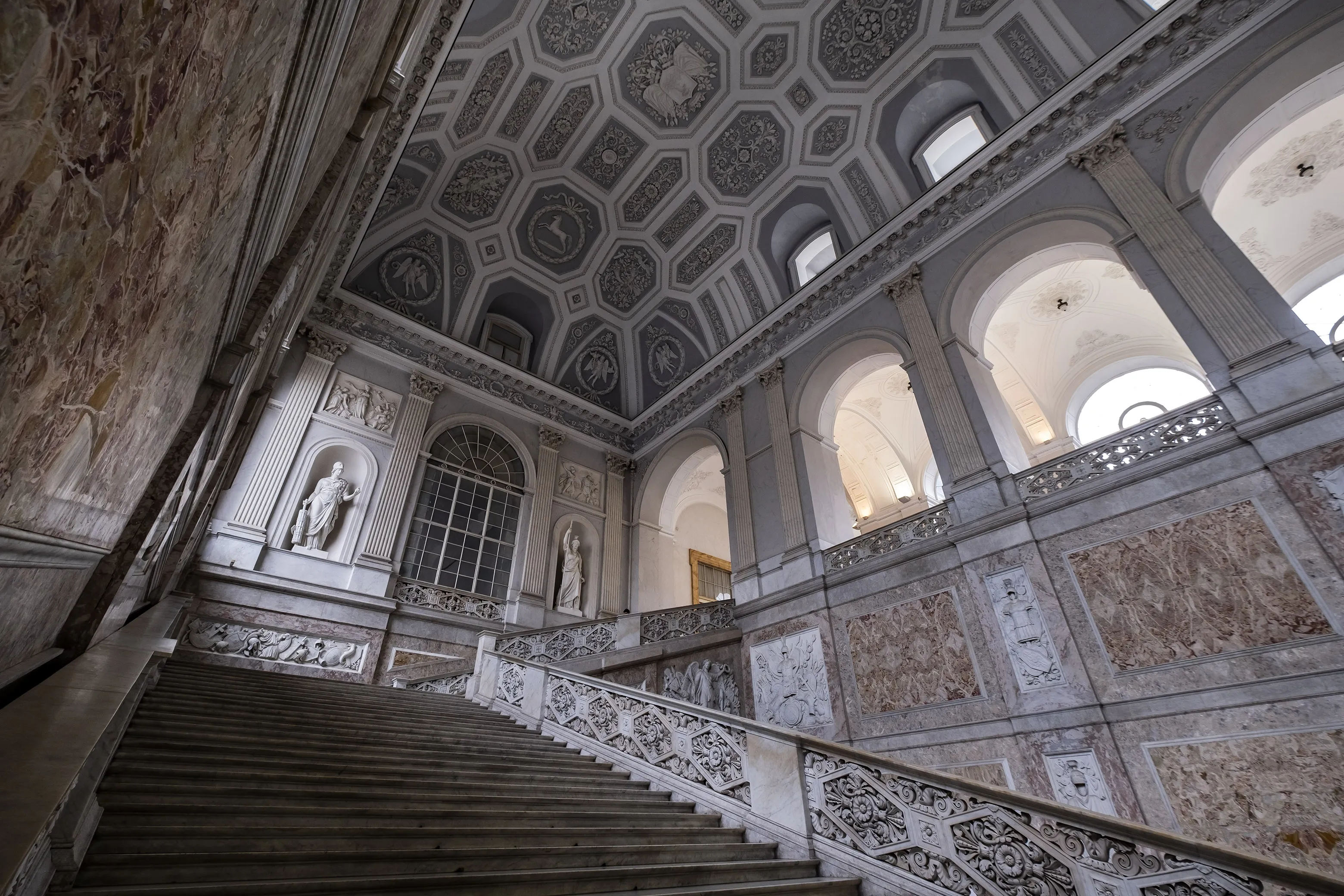
The castle’s charm includes centuries-old stone — plan ahead for comfort and safety.
Table of Contents
- Overview
- Surfaces and gradients
- Stairs and handrails
- Seating and rest rhythm
- Lighting and acoustics
- Sensory considerations
- Suggested pacing strategy
- Staff assistance and current routes
- Planning checklist
Overview
Historic fabric means uneven surfaces and stairs in places. Comfort improves with advance planning, flexible pacing, and asking staff about current accessible routes.
Surfaces and Gradients
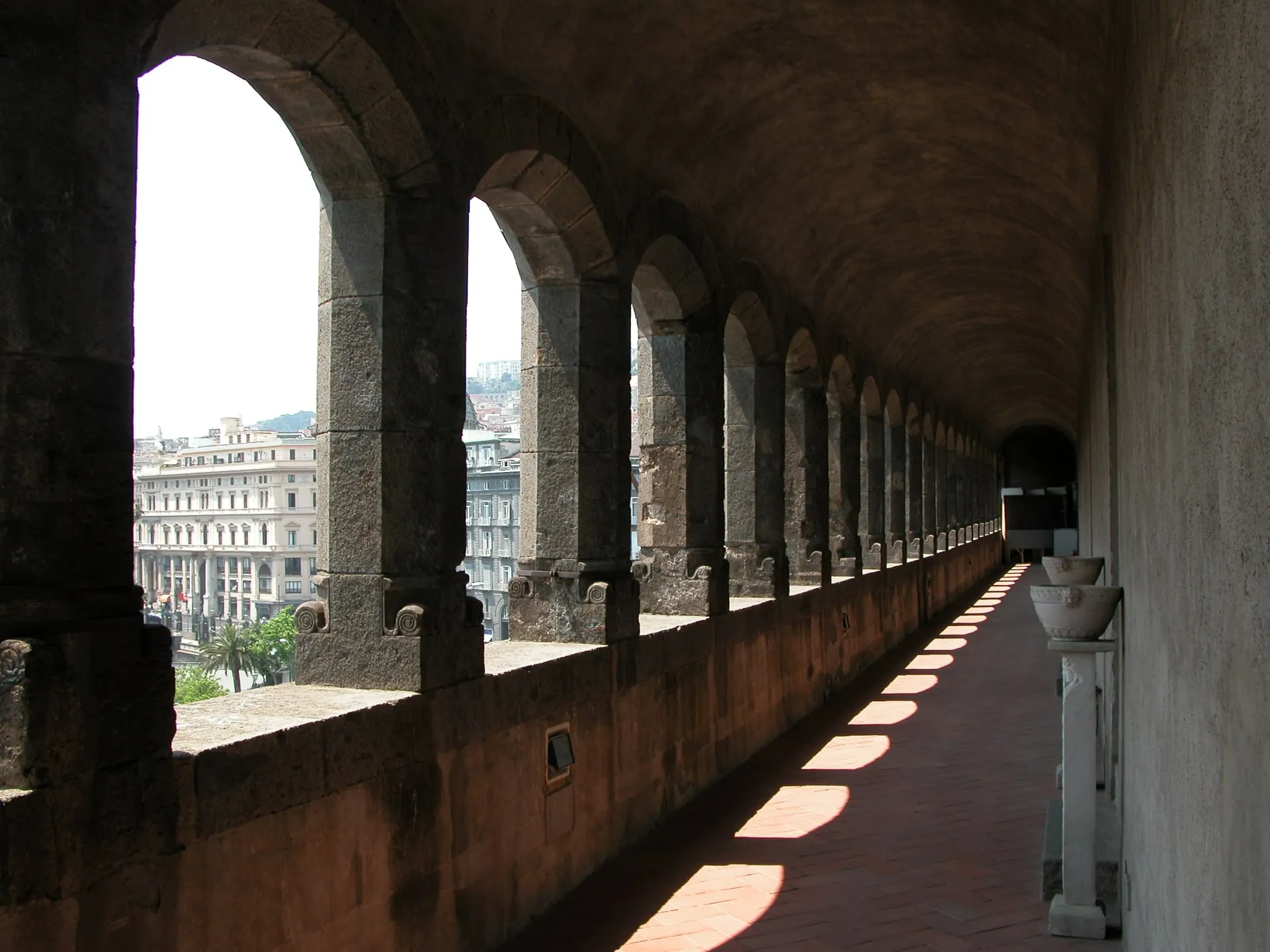
- Expect stone treads and occasional narrow runs.
- Some transitions may have thresholds or minor level changes.
- Terraces can be breezy and cooler than ground level.
Stairs and Handrails
- Handrails exist in some sections but not universally.
- Stair wear varies; take your time and use available support.
Seating and Rest Rhythm
- Plan micro-breaks: chapel pause, courtyard pause, terrace pause.
- Portable seating (folding cane/chair) may help; confirm on-site policies.
Lighting and Acoustics
- Interiors can be dim; allow eyes to adapt before moving.
- Large volumes can amplify sound; consider noise sensitivity.
Sensory Considerations
- Texture-rich surfaces and echoes can be stimulating; build in quiet moments.
- Wind exposure on terraces may affect comfort.
Suggested Pacing Strategy
- Start with courtyard and orientation to set expectations.
- Visit the chapel; sit a few minutes to rest and adapt.
- Decide on upper levels based on energy and staff advice.
Staff Assistance and Current Routes
- Ask staff at entry for the day’s most accessible paths; conservation can change routes.
- If using mobility aids, confirm where they’re currently supported.
Planning Checklist
- Supportive shoes with grip
- Water before stair sections
- Light layer for terrace breeze
- Flexible time window
- Ask staff about accessible routes
Image Highlights
Bottom Line
With a realistic plan and rest rhythm, many visitors find the experience rewarding even with mobility considerations.
About the Author

Practical Editor
I built this to help you explore smarter—clear routes, better timing, and context that makes a fortress feel alive with ceremony and craft.
Tags
accessibility
surfaces
comfort
Naples
Comments (0)
Leave a Comment
Loading comments...