Visiting timetableClosed
|Thursday, April 30, 2026Piazza Municipio, 80133 Napoli (NA), Italy
Back to culture
legends
Maschio Angioino Legends – The Crocodile and More
Discover popular legends tied to Castel Nuovo, including the crocodile tale, and how folklore shapes the visitor experience.
1/8/2026
14 min read
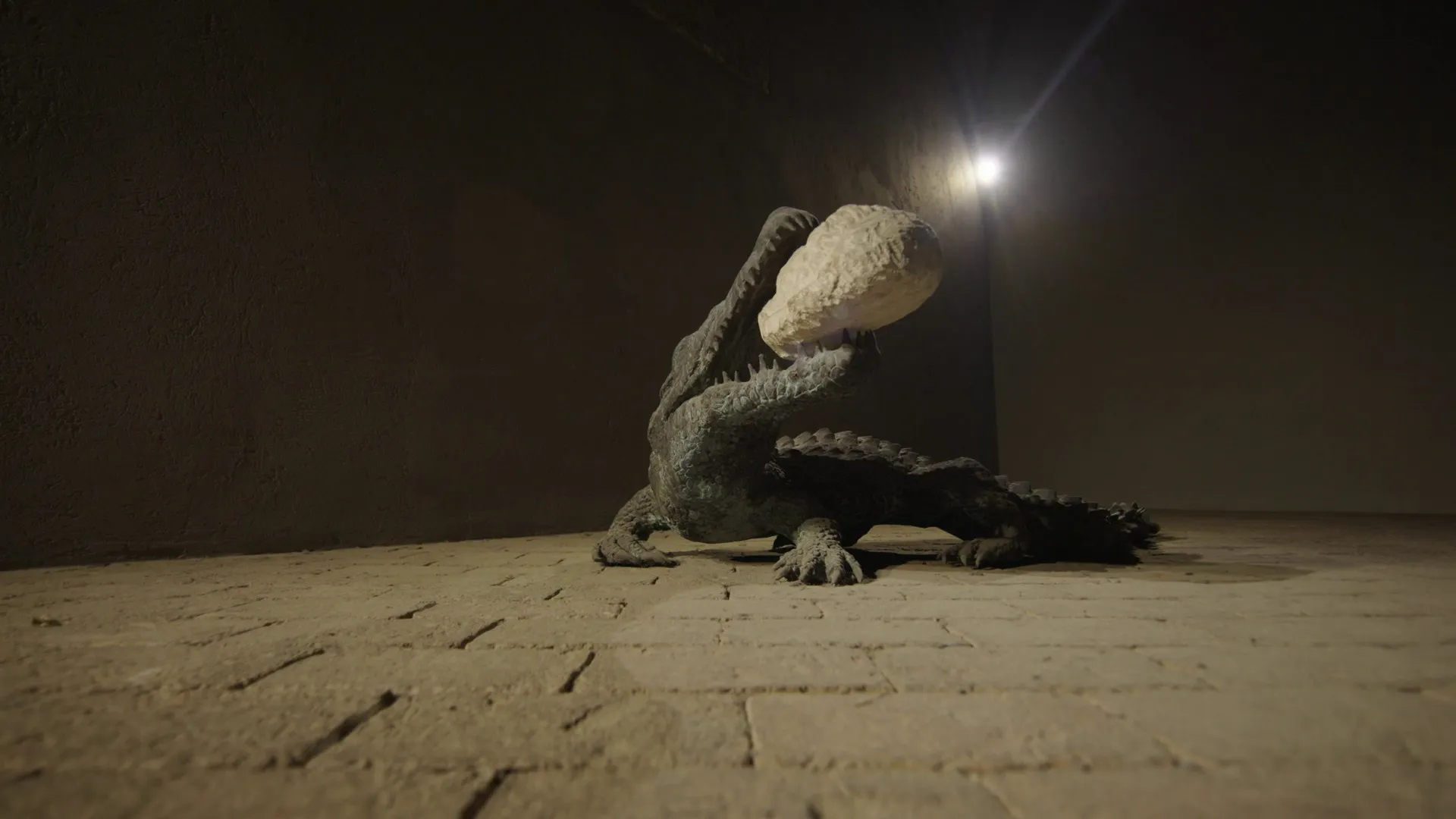
Legend is a kind of footnote — not always true, but always revealing.
Table of Contents
- The crocodile tale (popular version)
- Other stories and curiosities
- Why legends stick
- How to use legends as prompts when visiting
- Family-friendly storytelling tips
- Sources and caveats
The Crocodile Tale (Popular Version)
- Prisoners vanish; a beast below the castle does the deed.
- Evidence remains elusive — but the narrative survives, echoing the fortress’ aura of depths and secrets.
Alternate tellings
Some versions place the beast in dungeons or moats; others swap the animal for a metaphor of fear and political power.Other Stories and Curiosities
- Royal dramas and alliances whispered through heraldry.
- Hidden passages rumored between towers.
- Echo tests in great halls that “carry secrets.”
Treat these as cultural artifacts — revealing how communities frame memory.
Why Legends Stick
- Architecture suggests shadow: thick walls, narrow stairs, unseen corners.
- Power leaves gaps in the record; stories rush to fill them.
- Legends offer emotional maps when facts are sparse.
Use Legends as Prompts When Visiting
- Look for spaces that feel “story-ready”: thresholds, wells, shadowed niches.
- Ask: what about this spot invites imagination? Light, sound, scale?
- Pair a legend stop with a factual stop to balance mood and history.
Family-Friendly Storytelling
- Set guardrails: “This is a story people tell — not a proven fact.”
- Invite participation: “Find three places a crocodile might hide.”
- Celebrate curiosity over fear; keep tone playful.
Sources and Caveats
- Legends circulate in guidebooks, oral histories, and local lore.
- Scholarly confirmations may be limited; treat variations as part of the tale’s life.
Image Highlights
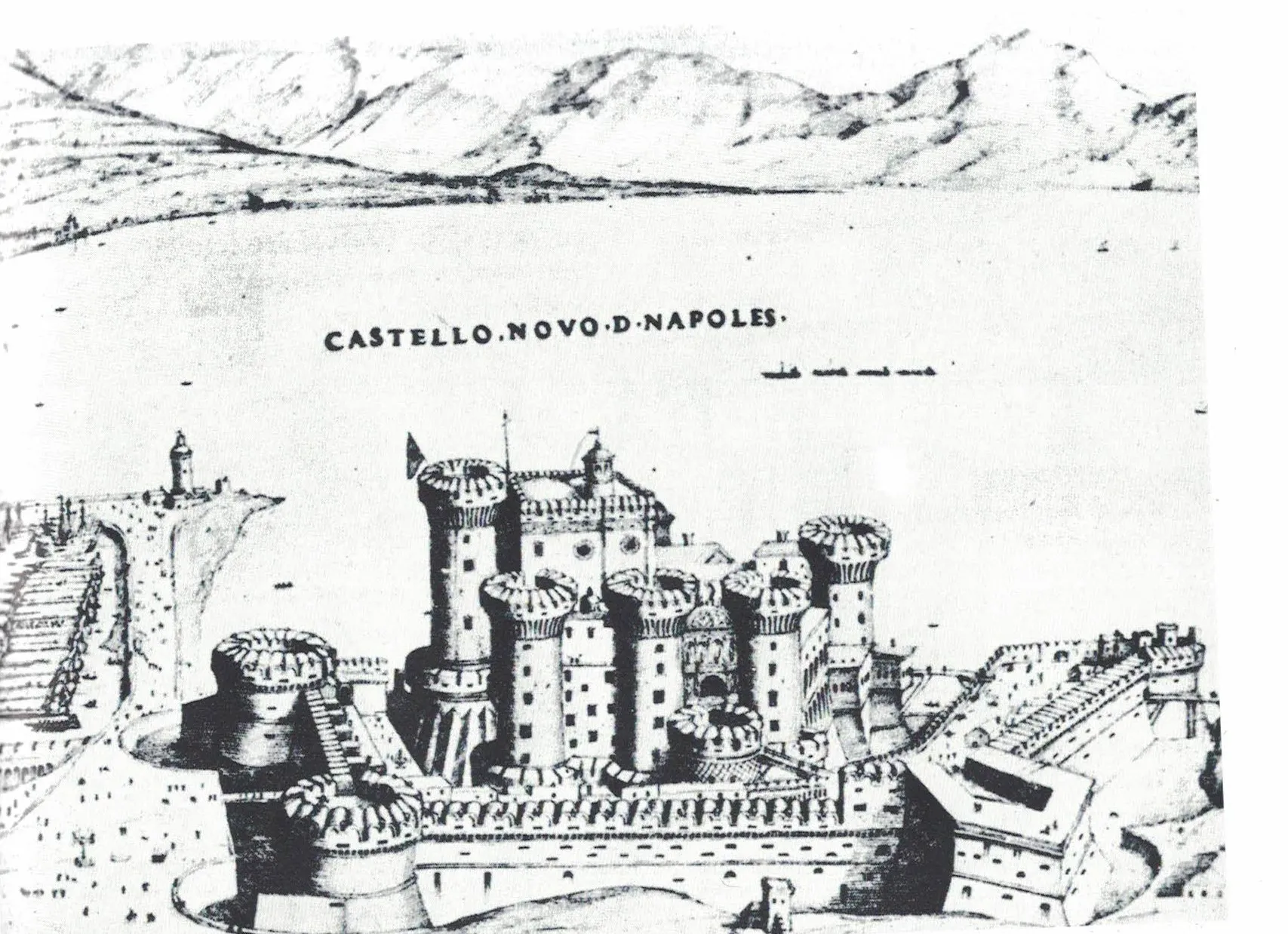
Bottom Line
Take the stories as cultural clues. Whether true or not, they teach us how Naples imagines its past.
About the Author

Storyteller
I built this to help you explore smarter—clear routes, better timing, and context that makes a fortress feel alive with ceremony and craft.
Tags
legends
crocodile
stories
Naples
Comments (0)
Leave a Comment
Loading comments...